Fire Extinguishers – Essential Guidelines Every CAM Must Know

Written by Heidi Hensell

October 7, 2025

Table of Contents

Share

Link copied to clipboard!

Fire safety is a core responsibility for Community Association Managers (CAMs). Ensuring that common facilities like clubhouses, gyms, garages, and laundry rooms meet regulatory standards—and that residents understand basic fire safety—is fundamental. A correctly placed and maintained fire extinguisher may seem simple, but it can make all the difference in an emergency.

Why Fire Extinguishers Are Vital in Common Areas

Common spaces often contain electrical equipment, cooking appliances, or mechanical systems—elements that increase fire risk. Local fire codes and insurance policies generally require fire extinguishers in these zones, making compliance both a safety measure and a legal necessity.

CAM Responsibilities for Fire Extinguishers

  • Strategic Placement
    Extinguishers should be installed in accessible, visible locations—near exits, in kitchens, mechanical rooms, or laundry areas where risk is higher. This aligns with fire safety best practices in community settings. 

  • Routine Inspections & Professional Maintenance

    • Monthly checks (often done by staff) for pressure gauge, seal, and visibility.

    • Annual servicing by certified technicians to verify functionality and compliance. 

  • Track Lifespan & Replace When Needed
    Fire extinguishers typically have a useful lifespan of 5 to 15 years, depending on make and model. Replacement should be scheduled when they expire or fail a professional inspection.

  • Educate Residents & Staff
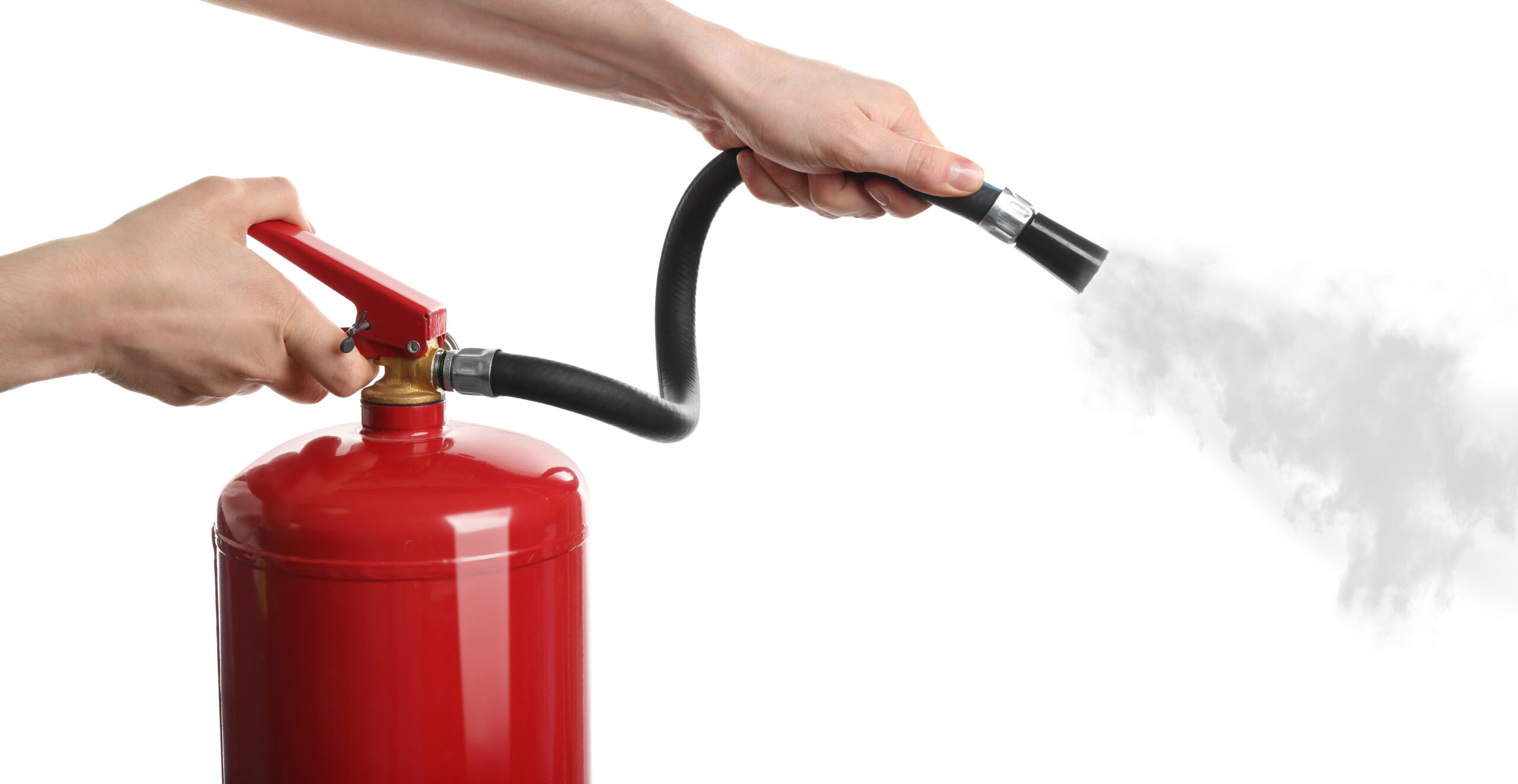
    Offer basic training or guidance on using an extinguisher safely, such as teaching the PASS method (Pull, Aim, Squeeze, Sweep). This simple knowledge can be invaluable during emergencies.

Pro Tips for Managing Fire Extinguishers

  • Create a Fire Safety Checklist listing inspection dates, locations, and service provider contacts.

  • Partner with Local Fire Departments for safety walk-throughs or community training sessions.

  • Ensure Clear Access by not obstructing extinguishers with decorations or furniture.

  • Display Usage Instructions nearby—making it easier for anyone to act if needed.

Conclusion

Fire extinguishers are more than safety equipment—they are essential community safeguards. For CAMs, proactive and methodical management of these devices shows leadership in safety and due diligence. With proper placement, upkeep, education, and coordination, CAMs can help ensure residents stay safe and secure.

Popular in the Community

Noise complaint Annoyed woman blocking ears with pillows on a couch
Noise Compliance in Florida COAs and HOAs: What Residents Should Know
Learn how noise compliance works in Florida HOAs and COAs, including quiet hours, local ordinances, and...
Learn more
Friends socializing and enjoying a backyard BBQ, grilling food at a summer cookout
BBQ Pits and “Public” Bathrooms in COAs: Balancing Fun and Responsibility
BBQ pits and public bathrooms can enhance COA living. Learn how rules, maintenance, and shared responsibility...
Learn more
AdobeStock_1873297514 (1)
Before You Buy in Florida — Why You Should Read the Governing Documents First
Buying in a Florida HOA or COA? Learn why reviewing governing documents, fees, leasing rules, and restrictions...
Learn more